In a world where quick fixes and rapid results are often promoted, the true secret to lasting fitness lies in consistency and balance. Building a fitness routine that fits your lifestyle and sustains your long-term health goals is essential. Whether you’re just starting your fitness journey or looking to refine your existing routine, understanding how to incorporate a variety of exercises into your weekly schedule is key to maintaining both physical and mental well-being.
Fitness isn’t just about looking good or meeting external expectations; it’s about creating a routine that is sustainable, enjoyable, and adaptable to your lifestyle. The best fitness routines are those that balance strength, cardiovascular health, flexibility, and recovery. By combining these elements, you ensure that your body is not only becoming stronger but also more resilient to stress and better equipped for the demands of daily life.
The Foundation of a Balanced Fitness Routine
A balanced workout routine involves more than simply alternating between strength training and cardio. The key is to incorporate exercises that target different areas of fitness, each of which offers unique benefits. Strength training helps build muscle and improve metabolism, while cardiovascular exercises enhance heart and lung function. Flexibility exercises promote mobility, and recovery activities ensure your body has the time it needs to repair and grow stronger.
One of the common mistakes people make when starting a fitness routine is focusing too much on one element while neglecting others. For example, you might focus solely on building strength through weightlifting or running long distances without considering the importance of flexibility or recovery. While strength and endurance are essential, flexibility and recovery are equally important for a well-rounded fitness plan that reduces the risk of injury and supports long-term progress.
Strength Training: The Backbone of a Fitness Routine
Strength training is essential for building lean muscle mass, improving metabolism, and increasing overall strength. It is often regarded as the foundation of fitness, and for good reason. The benefits of strength training extend far beyond just aesthetics; it helps improve your functional fitness, meaning the strength and coordination necessary for everyday activities like carrying groceries, climbing stairs, or lifting heavy objects.
Strength training doesn’t have to mean lifting heavy weights at the gym. Bodyweight exercises such as push-ups, squats, lunges, and planks can be highly effective for building strength, especially for beginners. These exercises target multiple muscle groups at once, making them a great starting point for those looking to build strength without the need for equipment.
As you progress, adding resistance through dumbbells, kettlebells, or resistance bands can help challenge your muscles and continue to stimulate growth. Compound movements like deadlifts, squats, and bench presses are excellent choices for targeting large muscle groups and promoting overall strength. It’s important to focus on technique and form to avoid injury and maximize results. A good rule of thumb is to start with lighter weights and gradually increase resistance as your strength improves.
To see the best results, it’s important to progressively overload your muscles. This means gradually increasing the intensity of your workouts over time. Whether you’re increasing the weight you lift, the number of repetitions, or the duration of each set, progressively challenging your muscles leads to muscle growth and strength gains. Rest is also crucial; your muscles need time to recover between workouts to rebuild and grow.
Cardiovascular Exercise: Enhancing Endurance and Heart Health
Cardiovascular exercise is crucial for improving heart and lung health. It involves exercises that elevate your heart rate and improve blood circulation. Cardiovascular exercise not only helps with weight management by burning calories but also enhances your stamina and endurance. Regular cardio workouts can help lower blood pressure, improve cholesterol levels, and reduce the risk of chronic diseases.
There are many forms of cardio, ranging from steady-state exercises like jogging, cycling, or swimming to more intense activities like HIIT (High-Intensity Interval Training). The beauty of cardiovascular training lies in its versatility. Whether you enjoy running outdoors, cycling through scenic trails, or hopping on a stationary bike, there’s a cardio workout that suits every preference.
For those new to cardio, it’s important to start slow and gradually increase the intensity and duration of your sessions. Begin with moderate-intensity activities such as walking or jogging and slowly progress to more challenging workouts like running or cycling at higher speeds. For those looking to add a bit more intensity, HIIT is an excellent option. HIIT involves alternating between short bursts of high-intensity exercise and periods of active recovery. It has been shown to improve cardiovascular fitness, burn fat, and increase metabolism in a shorter amount of time than steady-state cardio.
While high-intensity workouts can be highly effective, it’s also important to include steady-state cardio in your routine. Long-duration, lower-intensity activities like swimming or hiking are excellent for building endurance and maintaining heart health without overtaxing the body.
Flexibility and Mobility: Unlocking Better Movement
Flexibility and mobility exercises are often underappreciated in many fitness routines, but they are key to enhancing movement patterns and preventing injury. Stretching, yoga, and mobility exercises increase the range of motion in your muscles and joints, which improves posture, coordination, and overall movement efficiency.
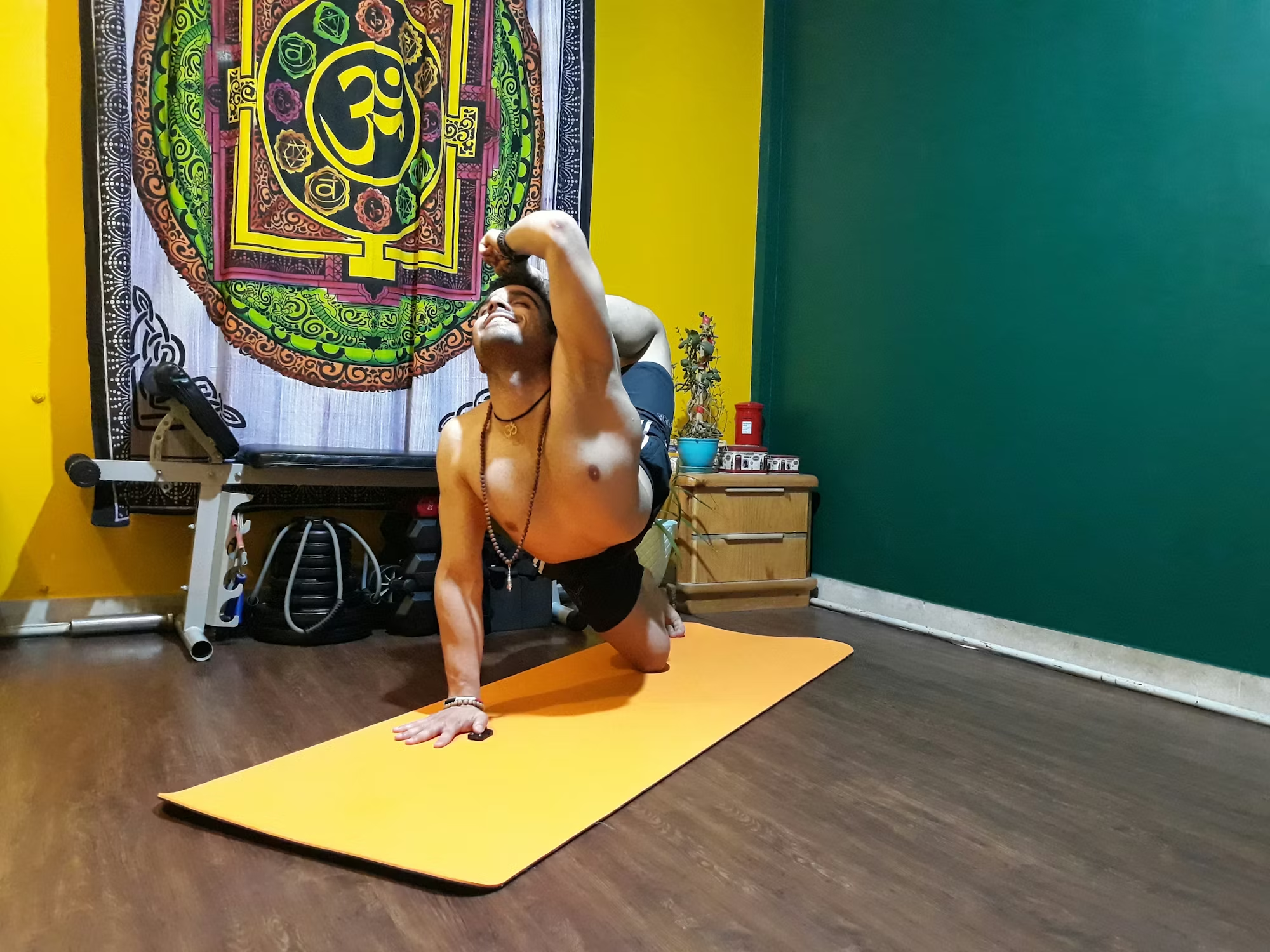
Yoga is an excellent practice for improving flexibility and mobility. It combines dynamic stretching with strength-building poses, helping to improve both flexibility and balance. Yoga also promotes relaxation and mindfulness, which can help reduce stress and anxiety. Even a short 20- to 30-minute yoga session can leave you feeling more centered and flexible.
Mobility exercises are focused on maintaining or improving the movement of your joints, particularly in the shoulders, hips, and knees. Incorporating mobility work into your routine can prevent stiffness and improve posture, which enhances overall performance in strength and cardio exercises.
One simple way to incorporate flexibility training is by including stretching at the end of every workout. Focus on the muscles you’ve worked most intensively, holding each stretch for 20-30 seconds. This helps reduce muscle tightness and improves recovery.
Recovery: The Unsung Hero of Fitness Success
Often overshadowed by the excitement of training hard, recovery is just as important as the workouts themselves. Recovery is the process by which your body heals, adapts, and becomes stronger after exercise. Without sufficient recovery, you risk overtraining, injury, and burnout.
One of the most effective recovery practices is sleep. Sleep is when your body undergoes most of its repair and restoration processes. Aim for 7-9 hours of sleep per night to support muscle recovery and optimal performance. Active recovery days, such as light yoga, swimming, or walking, are also beneficial for keeping the body moving without overloading it.
Foam rolling and self-massage techniques are helpful tools for improving circulation, reducing muscle tightness, and enhancing flexibility. Foam rolling, in particular, helps break up muscle knots and tight areas, promoting faster recovery.
Another important recovery aspect is proper nutrition. Consuming a balanced diet rich in protein, healthy fats, and complex carbohydrates will provide the necessary nutrients for muscle repair and energy replenishment.
Creating a Sustainable Routine for Long-Term Success
Building a fitness routine that you can maintain for the long haul is all about consistency. The key to sticking with a routine is finding a balance between challenging your body and allowing it to recover. This balance prevents burnout and keeps you motivated to continue your fitness journey.
When creating your fitness routine, it’s important to listen to your body and adjust as necessary. If you’re feeling fatigued or sore, consider incorporating an extra recovery day or focusing on mobility and flexibility. Set realistic goals that are achievable but also challenging, and remember that progress is a gradual process.
A sustainable routine doesn’t have to be rigid. Life can get in the way, and sometimes you may need to adjust your workout schedule. The important thing is to make exercise a regular part of your life, even when it’s not perfect.
Here’s a simple example of a balanced weekly workout routine:
– Monday: Full-body strength training
– Tuesday: Cardio (moderate-intensity running or cycling)
– Wednesday: Flexibility and mobility (yoga or Pilates)
– Thursday: Strength training (focused on upper body)
– Friday: Cardio (HIIT or interval running)
– Saturday: Active recovery (walking, swimming, or light stretching)
– Sunday: Rest day
This schedule combines strength training, cardiovascular exercise, flexibility, and recovery, allowing for adequate rest while challenging the body in different ways.
Conclusion: Embrace Fitness as a Lifestyle
Achieving lifelong fitness is not about quick fixes or extreme goals. It’s about adopting a lifestyle of consistent, balanced exercise that supports both physical and mental health. By incorporating strength, cardio, flexibility, and recovery into your routine, you create a sustainable fitness plan that works for you.
Remember that fitness is a journey, not a destination. Stay consistent, be patient with your progress, and enjoy the process. The more balanced and enjoyable your routine is, the more likely you are to stick with it for years to come. Embrace fitness as part of your lifestyle, and you’ll reap the rewards of health, strength, and vitality for the long term.